
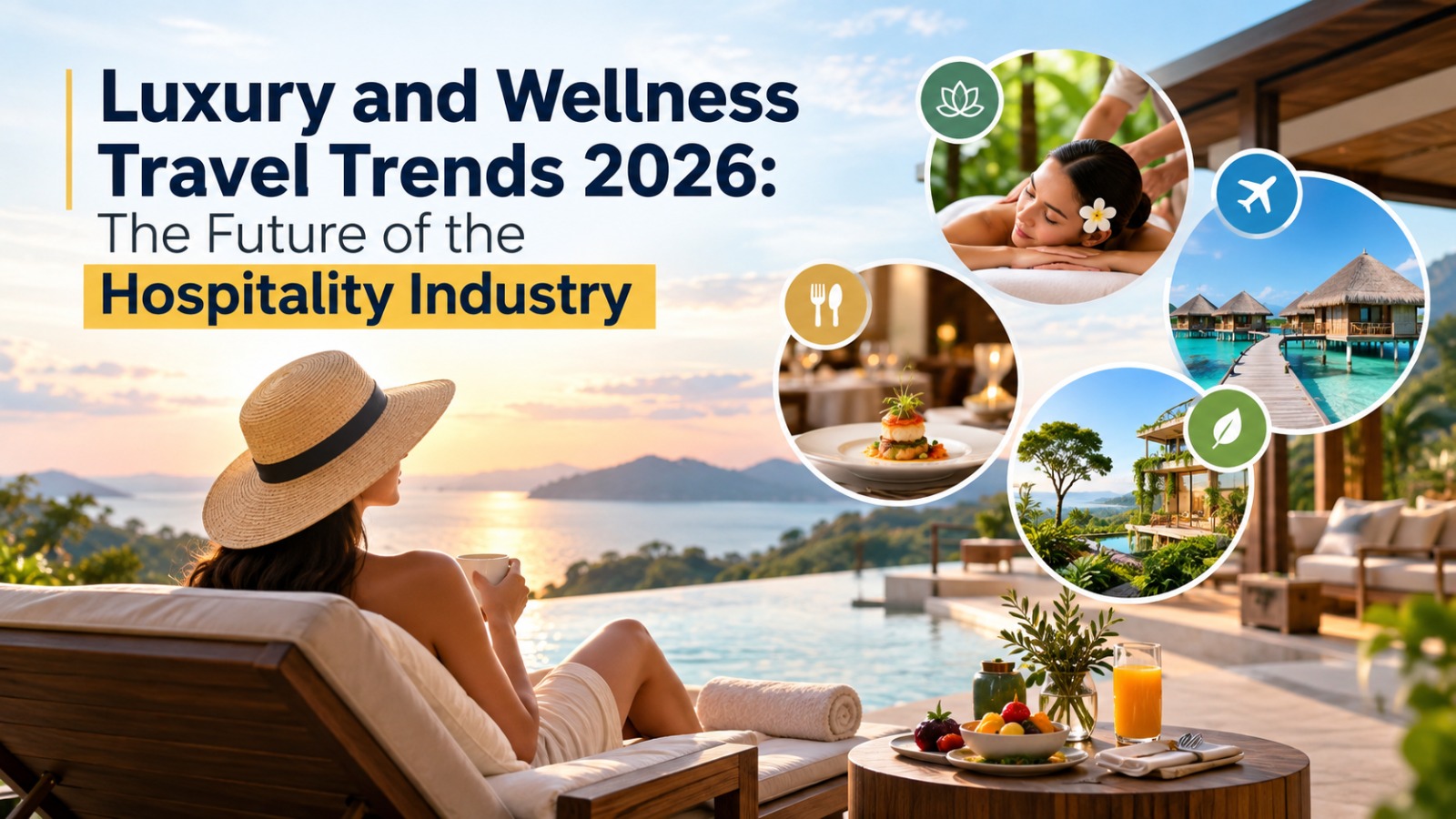
Luxury travel is all about premium rooms, fine dining, and impressive surroundings no longer solely define luxury travel. In 2026, travellers are becoming more interested in meaningful stays that offer comfort, relaxation, personalised attention, and experiences that support their overall well-being. This shift is creating new possibilities for the hospitality sector and changing the way hotels understand guest expectations.
For students planning a career in international hospitality management, these developments are important to understand. Hospitality professionals must increasingly look beyond traditional hotel operations and recognise what modern travellers value during their journeys.
The Meaning of Luxury Is Changing
Traditional luxury often focused on exclusivity, elegant interiors, premium facilities, and attentive service. Today, the concept is becoming broader. Guests want experiences that feel personal rather than simply expensive.
A memorable stay may involve a peaceful environment, thoughtful service, wellness activities, quality food, or an opportunity to disconnect from everyday routines. This evolution means hospitality teams need to understand individual preferences while maintaining the service standards expected from premium properties.
The growing importance of experience also creates a wider learning opportunity for students pursuing an international hospitality management course. Understanding guest behaviour, communication, service delivery, and operational management can help future professionals adapt to changing expectations.
The Travel Experience Is Including Wellness
Wellness has moved beyond being an additional hotel facility. Travellers are increasingly looking for stays that help them relax, restore energy, and return to their regular lives feeling refreshed.
IAM Hotel School has highlighted the rise of wellness-led hospitality, including sleep-focused travel, sound-based relaxation experiences, and social wellness. These developments show how accommodation providers are creating experiences around rest rather than treating sleep and relaxation as simple parts of an overnight stay.
This transformation can influence several areas of hotel operations. The atmosphere of a property, room environment, guest interaction, food choices, and recreational offerings can all contribute to the overall experience.
For someone considering an international hospitality course, understanding this wider approach can provide useful insights into how modern properties are responding to guests.
Personalisation Is Becoming More Important
A luxury guest does not necessarily expect more of everything. Instead, the expectation is often for something that feels right for them.
Personalisation can influence how hotels communicate with guests, organise services, understand preferences, and create memorable moments. IAM’s recent hospitality coverage also points towards hyper-personalisation and the growing use of technology to understand guest requirements.
However, technology does not remove the importance of people. Hospitality remains centred around genuine guest care. Professionals need communication skills, cultural awareness, adaptability, and the ability to respond appropriately to different situations.
This combination of technology and human interaction is becoming increasingly relevant to international hotel management education.
Sustainable Experiences Are Gaining Attention
Wellness and luxury are also becoming connected with responsible hospitality. Modern travellers are paying greater attention to how properties use resources, manage waste, source food, and interact with surrounding communities.
IAM’s own discussion of regenerative hospitality describes a movement beyond basic sustainability towards practices that create a more positive relationship between hospitality businesses, destinations, and communities.
For future professionals, this means sustainability is not simply an environmental topic. It can become part of operations, guest experience, food service, property management, and decision-making.
Students entering an international hospitality and tourism management pathway therefore benefit from understanding how responsible practices can fit into the wider hospitality experience.
Wellness, Workations and Slow Travel
Another development influencing hospitality is the changing pace of travel. IAM’s 2026 blog coverage identifies wellness, workations, and slow travel among the trends reshaping the sector.
Travellers are increasingly interested in experiences that allow them to spend meaningful time in a destination rather than rushing between attractions. For hospitality businesses, this can create opportunities to design stays around relaxation, productivity, local experiences, and personal interests.
Such changes demonstrate why hospitality education needs to prepare students for an industry that extends beyond conventional hotel functions.
Why Practical Skills Matter for Future Hospitality Professionals
The changing luxury and wellness landscape also highlights the importance of practical education. Hospitality cannot be understood entirely through textbooks. Students need opportunities to develop confidence, professional behaviour, communication abilities, and operational understanding.
IAM describes itself as a centre for hotel, hospitality, and culinary management education, with experienced industry faculty and practical exposure. Its programmes include a dual degree with a B.Sc in International Hospitality Management alongside several diploma options covering hospitality, culinary skills, bartending and mixology, bakery and patisserie, and hotel, housekeeping and facility management.
This practical orientation can help students understand how different departments contribute to the guest journey.
The Role of International Hospitality Education
The hospitality industry provides opportunities across hotels, resorts, restaurants, airlines, catering, tourism, and other service-orientated environments. IAM’s industry trends page highlights the diversity of these sectors and notes that hospitality professionals can progress across different areas as their careers develop.
For students seeking an international hotel management course, this wider perspective is valuable. A strong foundation can help learners develop transferable abilities instead of limiting their understanding to one department.
The institute’s website also highlights its long-standing industry connections, experienced faculty, alumni network, and practical training environment.
What the Future Holds for Luxury Hospitality
The future of luxury travel is moving towards experiences that combine comfort with purpose. Guests may still appreciate beautiful surroundings and excellent service, but their expectations are becoming more personal.
Wellness, meaningful experiences, responsible practices, personalisation, and human connection are becoming important parts of the hospitality conversation. Technology can support these developments, but people remain central to delivering genuine service.
For aspiring professionals, this creates an exciting environment. Students choosing international hospitality management can prepare themselves for an industry where traditional hotel skills meet new approaches to guest experience.